
What Is Acne Bacteria? The Surprising Link Between Pimples and Skin Hydration

Many people think of acne bacteria as the “bad bacteria” that causes pimples. Because of that, it usually gets treated like something harmful that should be completely removed from the skin.
But the truth is a lot more interesting.
Acne bacteria actually plays an important role in keeping your skin healthy and hydrated. In some cases, it may even help protect dry and sensitive skin.
Here’s a simple breakdown of how acne bacteria works and why maintaining balance matters more than trying to eliminate it completely.
Acne Bacteria: An Unexpected Hero for Dry Skin
It’s true that an overgrowth of acne bacteria can contribute to breakouts.
However, that’s only one side of the story.
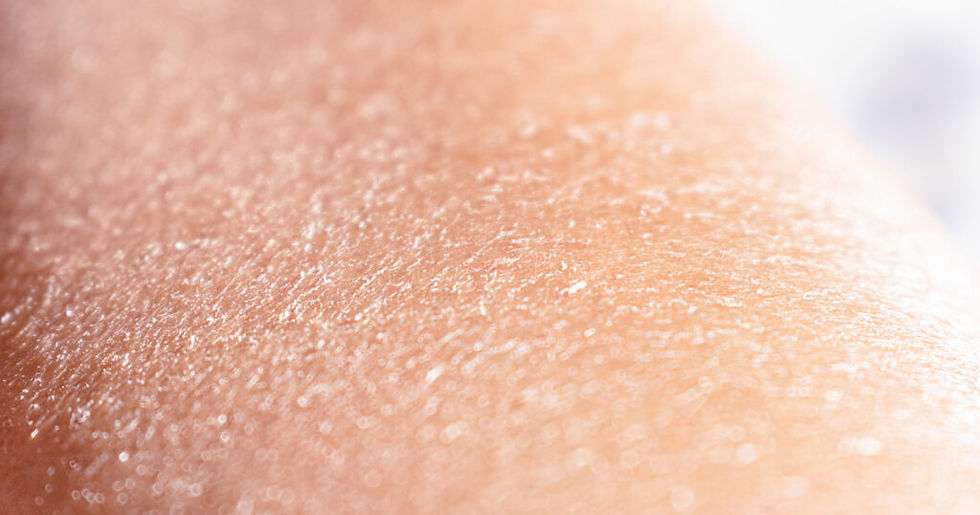
For people struggling with dry, rough, or dehydrated skin, acne bacteria may actually help support the skin barrier and maintain moisture.
Skin Bacteria Feed on Sebum and Sweat
The human body is home to countless microorganisms, and many of them survive by feeding on substances naturally produced by our body.
For example, probiotics such as lactic acid bacteria feed on nutrients from food and produce beneficial compounds that support our health.
The same concept applies to the bacteria living on our skin.
Acne bacteria is part of the skin microbiome — the community of microorganisms naturally present on the skin surface.
Acne Bacteria Helps Protect Skin Moisture
Although acne bacteria is commonly associated with pimples, it is not always harmful.
Under normal conditions, acne bacteria produces substances such as propionic acid and fatty acids, which help support the skin’s natural barrier function.
When pores become clogged and the bacteria grows excessively, breakouts may occur. But in balanced amounts, acne bacteria can actually help:
Maintain skin hydration
Protect the skin from dryness
Defend against external irritation
Support a healthy skin barrier
In fact, acne bacteria naturally exists on the skin of most people. Having it on your skin is completely normal.
Acne Bacteria Isn’t Entirely “Bad”
Acne bacteria does not automatically cause acne.
For many adults, especially people in their 30s and beyond, the amount of acne bacteria on the skin actually decreases with age.
As we get older, reduced levels of beneficial skin bacteria may contribute to:
Dryness
Reduced skin elasticity
A weaker skin barrier
Acne bacteria is also believed to help maintain the skin’s slightly acidic environment, which makes it harder for harmful microorganisms to thrive.
So while acne bacteria is often blamed for pimples, it may also be essential for maintaining healthy, resilient skin.
Are There Skincare Ingredients That Support Acne Bacteria?

Because acne bacteria decreases with age, some skincare approaches focus on supporting a healthier balance of skin bacteria rather than aggressively removing them.
Among commonly used skincare ingredients, glycerin and oils rich in oleic acid are believed to act as nutrients for acne bacteria.
Glycerin
Glycerin is widely used in skincare because of its strong moisture-retaining properties.
It helps keep water in the outer layer of the skin, making it one of the most common ingredients found in toners, lotions, and creams.
Recent studies suggest that acne bacteria may use glycerin as a food source.
In one cosmetic research study, acne bacteria showed significant growth when exposed to glycerin.
Oils High in Oleic Acid
Oleic acid is a fatty acid that closely resembles components naturally found in human sebum.
Because acne bacteria tends to prefer fatty acids, environments rich in sebum may encourage its growth.
Many plant oils containing oleic acid are popular in skincare because they help:
Improve moisture retention
Reduce dryness
Support smoother-looking skin
Provide anti-ageing benefits
Argan oil, for example, contains high levels of oleic acid and is commonly used for dry skin and hair care.
Does Olive Oil Cause Acne?
You may have heard that oils high in oleic acid are “bad” for acne-prone skin.
However, the issue is not necessarily the oil itself.
Instead, acne bacteria appears to prefer certain fatty acids, including oleic acid.
There is still no clear conclusion that high-oleic oils directly cause acne. But for people with easily congested or acne-prone skin, lighter oils with lower fatty acid content may feel safer.
Jojoba oil is often considered a gentler option for acne-prone skin.
Healthy Skin Is About Balance, Not Elimination

Dry skin is closely connected to the condition of the skin barrier, and the skin microbiome plays a major role in maintaining that balance.
Rather than trying to completely eliminate acne bacteria, supporting a healthy balance of skin microorganisms may help improve hydration and overall skin condition.
The goal should not be “perfectly sterile skin.” Instead, it’s about creating an environment where your skin microbiome can function properly.
When your skin bacteria are balanced, your skin is more likely to stay hydrated, resilient, and healthy.
Reference
Note: This article is for educational purposes only and does not constitute medical advice. Individual treatment plans should be developed in consultation with qualified healthcare professionals. Treatment outcomes vary from person to person, and no guarantee of results is intended or implied. All professional treatments mentioned should be performed by licensed medical practitioners in Singapore, using HSA-approved or otherwise MOH-approved products, devices, and techniques, as applicable.


