
Are Your Skincare Habits Actually Making Acne Worse?

Simple Ways to Build Acne-Resistant Skin
Adult acne is more common than many people think. Studies show that around 15–40% of adults in their 30s and 40s continue to struggle with breakouts.
While acne is often blamed on hormones or oily skin alone, everyday habits may also be contributing to the problem. From over-cleansing to high-sugar diets and disrupted skin microbiome balance, modern lifestyles can unintentionally make acne-prone skin worse.
In this article, we explore practical self-care tips inspired by traditional hunter-gatherer communities — groups that historically experienced remarkably low rates of acne.
What Causes Acne?

Acne occurs when pores become clogged with excess sebum, dead skin cells, and inflammation-causing bacteria. However, the root causes are often more complex than just “dirty skin.”
Factors linked to acne may include:
High-GI diets
Dairy consumption
Stress and poor sleep
Excessive skincare
Disruption of the skin barrier
Imbalances in the gut and skin microbiome
Rather than relying only on harsh treatments, supporting the body’s natural balance may help create healthier, more resilient skin.
Why Hunter-Gatherer Communities Rarely Had Acne

Research on hunter-gatherer populations suggests that acne was extremely uncommon among these communities.
Their lifestyles were very different from modern urban living:
Their Diets Were Minimally Processed
They consumed natural foods with little refined sugar or processed carbohydrates.
Their Daily Routines Were More Active
Regular movement and natural sleep cycles helped regulate hormones and inflammation.
Their Skincare Was Simple
They did not rely on aggressive cleansing routines or excessive cosmetic products, which may have helped preserve their skin microbiome and barrier function.
These findings suggest that modern “over-care” may sometimes do more harm than good.
Self-Care Tips for Acne-Prone Skin

1. Reduce High-GI Foods
High-GI foods can rapidly raise blood sugar levels, increasing insulin and IGF-1 — hormones associated with excess oil production and clogged pores.

Examples include:
White rice
White bread
Sugary snacks
Instant noodles
Refined carbohydrates
Instead, consider lower-GI alternatives such as:
Brown rice
Whole grains
Rye bread
Oats
Gluten-free noodles
For many people in Singapore, even small swaps — such as replacing refined carbs with more fibre-rich options — may help support healthier skin over time.
2. Be Mindful of Dairy and Whey Protein

Some studies suggest that milk and whey protein may increase IGF-1 levels, potentially worsening acne in certain individuals.
If you frequently experience breakouts around the jawline or chin area, it may be worth observing how your skin reacts to:
Milk
Whey protein shakes
Sweetened dairy drinks
Ice cream
Not everyone is affected, but tracking dietary patterns can be helpful.
3. Avoid Over-Cleansing
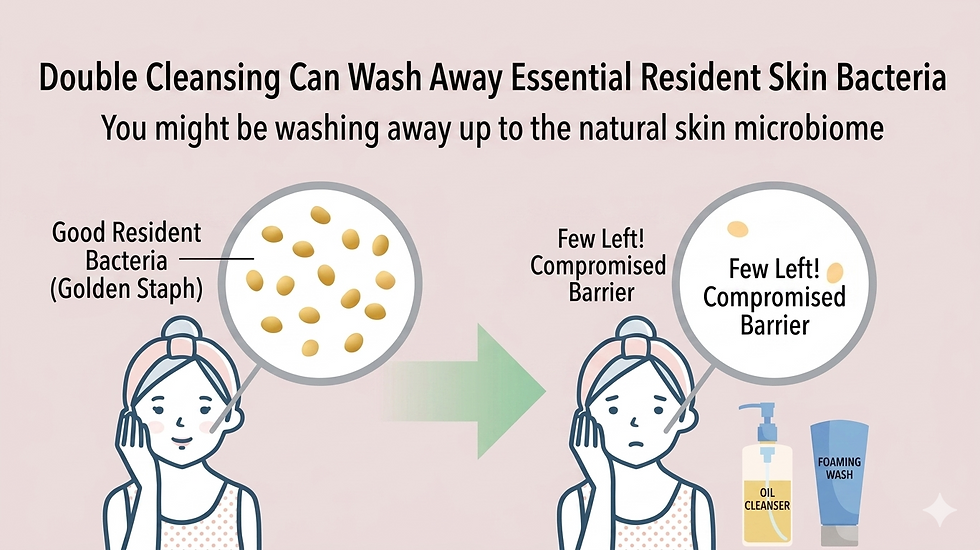
One common habit among people with acne is washing the skin too aggressively.
Examples include:
Double cleansing multiple times daily
Using harsh surfactants
Scrubbing excessively
Overusing active ingredients
While cleansing is important, excessive washing may damage the skin barrier and remove beneficial bacteria that help maintain healthy skin.
Try a Gentler Approach
Use mild cleansers
Avoid overly hot water
Consider skipping cleanser in the morning if your skin feels dry or sensitive
Choose makeup that is easy to remove
Sometimes, simplifying your routine can help calm inflamed skin.
4. Too Many Skincare Products Can Backfire
Layering multiple serums, toners, creams, and treatments may increase irritation — especially for sensitive or acne-prone skin.
Many skincare products contain preservatives, surfactants, or active ingredients that can disrupt the skin microbiome when overused.
A minimalist routine focused on barrier support is often more sustainable than constantly changing products.

5. Long-Wear Makeup May Require Stronger Cleansing
Transfer-proof and long-lasting makeup products have become increasingly popular, especially in humid climates like Singapore.
However, these products often require stronger makeup removers, which may place additional stress on the skin barrier.
Instead of wearing heavy-duty makeup daily, consider balancing it with lighter, skin-friendly options whenever possible.
Matching the right cleanser to your makeup type is also important. Makeup residue left on the skin can contribute to clogged pores and irritation.
6. Gut Health and Acne Are Closely Connected
Emerging research highlights the importance of the “gut-skin axis” — the connection between gut health and skin condition.
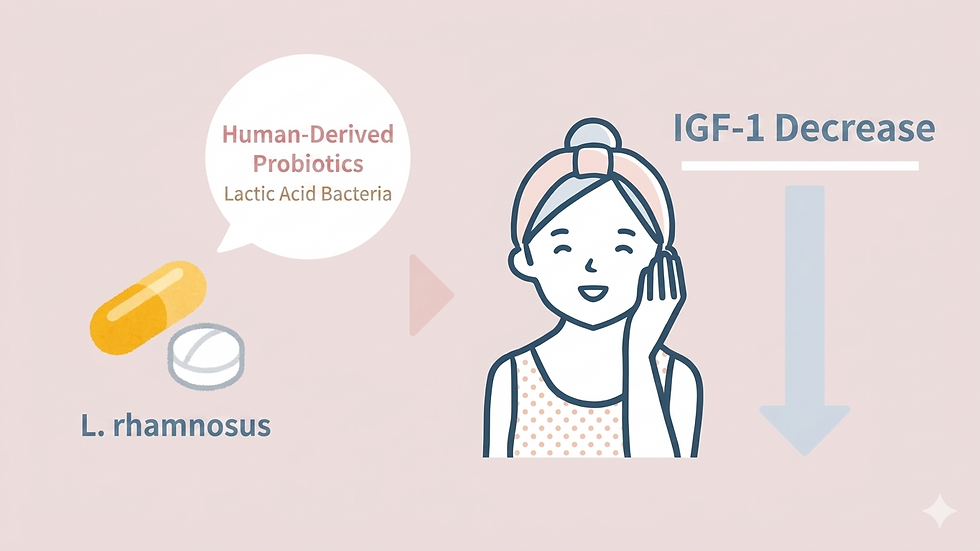
Probiotics such as Lactobacillus and Bifidobacterium may help support gut balance and reduce inflammation.
One Italian study found that probiotic supplementation helped reduce IGF-1 levels associated with excess sebum production.
Supporting gut health through:
Fibre-rich foods
Fermented foods
Balanced nutrition
Reduced processed foods
may positively impact acne-prone skin.
7. The Skin Microbiome Matters Too
The skin is home to billions of microorganisms that help maintain a healthy barrier.
Recent research into microbiome-focused skincare suggests that supporting beneficial bacteria may help reduce inflammation associated with acne.
Instead of aggressively “eliminating bacteria,” skincare is increasingly shifting toward maintaining microbial balance.
This is why many dermatologists and skin-health researchers now focus on:
Barrier repair
Gentle cleansing
Microbiome-friendly skincare
Reducing unnecessary irritation

Final Thoughts
Acne care is not always about using stronger products or more complicated routines.
In many cases, healthier skin begins with:
A balanced diet
Better sleep habits
Gentle skincare
Supporting the gut and skin microbiome
Avoiding excessive cleansing and over-treatment
Sometimes, less really is more.
Note: This article is for educational purposes only and does not constitute medical advice. Individual treatment plans should be developed in consultation with qualified healthcare professionals. Treatment outcomes vary from person to person, and no guarantee of results is intended or implied. All professional treatments mentioned should be performed by licensed medical practitioners in Singapore, using HSA-approved or otherwise MOH-approved products, devices, and techniques, as applicable.


