
What Causes Back Acne? The Right Way to Treat It Through Bacteria and Sebum Control

Even if you wash thoroughly every day, you may still notice pimples appearing on your back or chest.
Many people struggle with “back acne” and “chest acne,” especially in areas where the skin naturally produces more oil.
But scrubbing harder is not always the answer. In fact, over-cleansing can sometimes make things worse.
Two major factors linked to back acne are excess sebum (oil) and the balance of microorganisms on the skin.
In this article, KINS LAB explores how bacteria, fungi, and internal health may affect back acne, along with practical ways to improve it.
Why Does Back Acne Keep Coming Back?

Many people feel frustrated because their back acne keeps returning even though they maintain good hygiene.
One important point is that both oil production and the balance of microorganisms on the skin are closely linked to back acne.
What’s even more interesting is that these factors are heavily influenced by what’s happening inside the body.
If you want to improve back acne at the root cause instead of relying only on temporary fixes, internal care matters just as much as external skincare.
3 Common Habits Seen in People With Frequent Back Acne
People who repeatedly experience back acne often share these habits:
Eating too much sugar and refined carbohydrates
Consuming a lot of dairy products
Leaving shampoo or conditioner residue on the skin
Let’s break them down.
1. Too Much Sugar and Refined Carbohydrates

Foods with a high glycemic index (GI), such as:
Sweets made with white sugar
White rice
Bread
Instant noodles
Pasta
can rapidly raise blood sugar levels.
When blood sugar spikes, the body releases insulin to lower it. However, insulin can also stimulate excess sebum production.
More sebum creates an environment where acne-causing microorganisms can thrive.
Instead of cutting carbohydrates completely, choosing lower-GI options may help. For example:
Brown rice instead of white rice
Whole grains instead of refined grains
In simple terms, “brown carbs” are generally a better option than “white carbs.”
2. Excessive Dairy Consumption

People prone to acne may also want to pay attention to dairy intake.
Milk, cheese, yogurt, cream, and other dairy products contain nutrients like calcium and can absolutely be part of a healthy diet.
However, some studies suggest dairy may stimulate androgen hormones, which can increase oil production in certain individuals.
If you notice your back acne worsening while regularly consuming large amounts of dairy, it may be worth reducing your intake temporarily and observing any changes.
3. Shampoo or Conditioner Residue

Another surprisingly common cause of back acne is leftover shampoo or conditioner on the skin.
Even when you think you’ve rinsed thoroughly, residue may remain on the back and shoulders.
Some hair products also contain preservatives or surfactants that can irritate sensitive skin or affect the skin microbiome.
The skin naturally contains beneficial bacteria that support the skin barrier and help maintain moisture.
When the balance of these microorganisms is disrupted, acne and irritation may become more likely.
If back acne continues despite your skincare efforts, try spending more time rinsing your hair products thoroughly.
Could Fungal Acne Be the Real Cause?
When people think of acne, they usually think of acne-causing bacteria.
However, back acne is often linked not only to acne bacteria but also to a fungus called Malassezia.
What Is Malassezia?
Malassezia is a type of yeast-like fungus that feeds on sebum.
When it grows excessively, it can contribute to skin conditions such as:
Seborrheic dermatitis
Malassezia folliculitis
Fungal infections
Other inflammatory skin issues
What many people call “back acne” may actually be Malassezia folliculitis.
This condition creates acne-like bumps on areas with high oil production, such as:
Back
Chest
Shoulders
Because these areas naturally produce more oil, fungi can grow more easily there compared to the face.
This is why back acne sometimes does not respond well to regular facial acne treatments.
If you experience severe redness, pain, or persistent breakouts that do not improve, it’s important to consult a dermatologist instead of self-treating indefinitely.
Sweat and Humidity Make Things Worse
Malassezia thrives in humid, sweaty environments.
When sweat stays trapped against the skin for long periods, the skin environment changes and fungal growth becomes more likely.
This is especially common in hot and humid climates like Singapore.
To reduce irritation:
Wear breathable clothing
Change out of sweaty clothes quickly
Keep the skin dry and clean
Both Bacteria and Fungi Feed on Sebum
Both acne bacteria and Malassezia fungi rely on sebum to grow.
The more excess oil the skin produces, the easier it becomes for these microorganisms to multiply.
That’s why controlling excessive sebum production through lifestyle habits can make a big difference.
At the same time, maintaining a healthy skin microbiome is equally important.
Beneficial skin bacteria help suppress harmful microorganisms and support healthier skin overall.
How to Finally Improve Back Acne
There are countless acne products and treatments available today.
However, KINS LAB believes the most effective approach combines both external skincare and internal care.
Many people focus only on topical products, but recurring acne may also reflect internal factors such as diet and gut health.
Making changes from within may help reduce chronic, recurring breakouts.
Solution 1: Reduce Foods That Trigger Excess Sebum
If you struggle with back acne, try reducing:
Sugary foods
Refined carbohydrates
Dairy products
These foods may contribute to increased oil production in some individuals.
Even making small adjustments to your diet may help improve your skin condition over time.
Solution 2: Be Mindful of Wheat and Gluten
Wheat-based foods such as bread, pasta, and noodles may also affect skin health in some people.
One reason is gluten.
Some researchers believe gluten sensitivity may affect gut health and intestinal permeability in certain individuals.
When gut balance is disrupted, inflammation throughout the body may increase, potentially affecting the skin as well.
Not everyone reacts to gluten the same way.
However, if:
You frequently eat wheat-based foods
You constantly struggle with acne
it may be worth reducing gluten temporarily and monitoring how your skin responds.
Internal Care Matters
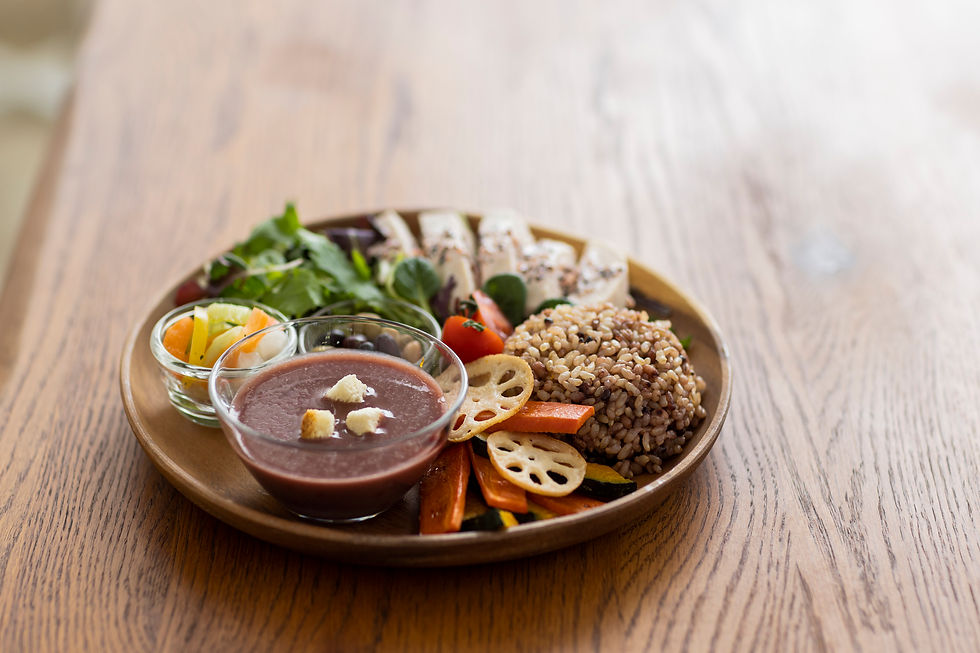
Foods we eat daily can influence oil production, gut health, and the skin microbiome.
If you experience recurring back acne, try committing to internal care for at least 2 weeks to 1 month.
Reducing high-sugar foods, excessive dairy, and overly processed carbohydrates may help improve your skin condition more than expected.
Healthy skin is not only about what you apply externally — it’s also closely connected to the environment inside your body.
Note: This article is for educational purposes only and does not constitute medical advice. Individual treatment plans should be developed in consultation with qualified healthcare professionals. Treatment outcomes vary from person to person, and no guarantee of results is intended or implied. All professional treatments mentioned should be performed by licensed medical practitioners in Singapore, using HSA-approved or otherwise MOH-approved products, devices, and techniques, as applicable.


