
Foods That Help With Acne: A Complete Guide Based on Different Types of Breakouts

Healthy skin is not only about skincare — your daily diet also plays a major role.What you eat can affect inflammation, oil production, skin turnover, gut health, and even hormonal balance, all of which are closely linked to acne.
In this article, we’ll explore nutrients and foods that may help prevent and improve acne, based on scientific and nutritional perspectives.
Nutrients That May Help Prevent Acne

Protein
Protein plays an essential role in maintaining healthy skin and supporting acne recovery.

Supports Skin Repair
Protein helps repair and regenerate skin cells and tissues. Healthy skin turnover may help prevent clogged pores and support faster healing of acne.
Supports Immune Function
Protein also supports the immune system. Since inflammatory acne is partly linked to immune responses, maintaining good immunity may help reduce flare-ups.
Helps Regulate Sebum Production
Protein-rich meals help stabilise blood sugar levels, which may indirectly help regulate oil production. Sudden blood sugar spikes can increase sebum production and contribute to clogged pores.
Helps Reduce Inflammation
Some protein-rich foods contain antioxidants that protect the skin from oxidative stress, which may otherwise worsen inflammation and acne.
Omega-3 Fatty Acids
Omega-3 fatty acids are known for their anti-inflammatory properties and may help calm acne-prone skin.

Anti-Inflammatory Benefits
Inflammation is one of the key factors involved in acne. Omega-3s may help reduce redness, swelling, and inflammatory responses.
Supports Healthy Sebum Balance
Omega-3s help maintain healthy oil production, reducing the risk of clogged pores caused by excess sebum.
Supports Skin Cell Health
Omega-3 fatty acids are important components of healthy cell membranes, helping skin cells function properly and respond better to environmental stress.
Antioxidant Effects
Omega-3s may also help protect skin cells from oxidative stress, which is linked to inflammation and skin damage.
Vitamin B Complex
B vitamins are important for maintaining healthy skin function.

Helps Maintain Healthy Skin
B vitamins such as B2, B3, B5, B6, B7, B9, and B12 help support skin repair and overall skin health.
Helps Control Excess Oil Production
Vitamin B plays a role in fat metabolism, which may help regulate excessive sebum production and reduce clogged pores.
Antioxidant Support
Some B vitamins help protect skin cells from oxidative stress, which may otherwise contribute to inflammation and acne.
Supports Hormonal Balance
Vitamin B6 in particular may help regulate hormonal fluctuations that can trigger acne.
Vitamin C
Vitamin C is one of the most important nutrients for skin health.

Powerful Antioxidant Protection
Vitamin C helps protect skin cells from oxidative stress and inflammation.
Supports Collagen Production
Collagen is essential for maintaining skin elasticity and supporting acne scar healing.
Supports Immunity
Vitamin C supports immune function, which may help calm inflammation and reduce acne flare-ups.
May Help Reduce Acne Marks
Vitamin C may help regulate melanin production, reducing post-acne pigmentation and dark spots.
Dietary Fibre
Supports Gut Health
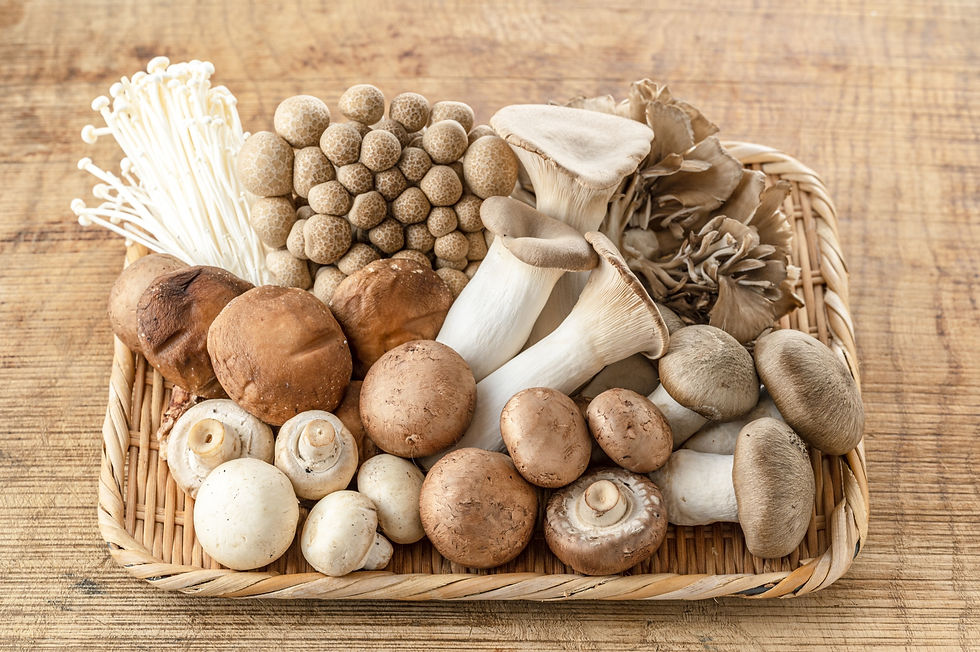
Fibre improves digestion and supports a healthier gut microbiome, which may positively affect skin health through the gut-skin axis.
Helps Stabilise Blood Sugar
Fibre slows sugar absorption and helps prevent blood sugar spikes linked to excess oil production.
Helps Reduce Inflammation
Fibre-rich diets may help reduce chronic inflammation associated with acne.
Iron
Iron deficiency is sometimes associated with dull skin, poor circulation, and hormonal imbalance.

Supports Oxygen Transport
Iron helps transport oxygen throughout the body, supporting healthy skin cell turnover.
Supports Immunity
Healthy iron levels may help strengthen the immune system and support clearer skin.
Supports Collagen Production
Iron also contributes to collagen production, which may help improve acne scars.
Supports Hormonal Balance
Iron plays a role in hormone regulation, which may help reduce hormonally triggered acne.
Helps Reduce Stress Effects
Stress can worsen acne, and iron may help support the body’s stress-response systems.
Best Foods for Acne-Prone Skin
High-Protein Foods That Support Skin Turnover

Recommended foods:
Chicken
Beef
Pork
Seafood
Eggs
Tofu
Natto
Cheese and dairy products
Protein helps support healthy skin turnover and repair. When skin turnover slows down, dead skin cells may build up and clog pores.
Protein may also help reduce inflammatory acne such as red or yellow pimples.
Recommended Cooking Methods
Steaming
Grilling
Light stir-frying
Try to prioritise minimally processed, fresh foods whenever possible.
Omega-3 Rich Foods That Help Reduce Inflammation

Recommended foods:
Salmon
Mackerel
Sardines
Walnuts
Chia seeds
Perilla oil
Flaxseed oil
Omega-3 fatty acids help calm inflammation and support healthier skin.
Meanwhile, many modern processed foods are high in omega-6 fatty acids, which may contribute to inflammation when consumed excessively.
Foods high in omega-6 include:
Fast food
Chips
Instant noodles
Processed snacks
Convenience meals
Balancing omega-3 intake may help improve inflammatory acne.
Vitamin B and Vitamin C Rich Foods for Stress-Related Acne

Recommended foods:
Liver
Pork
Brown rice
Eggs
Broccoli
Bell peppers
Stress increases the body’s consumption of vitamins, which may leave the skin more vulnerable to acne.
B vitamins and vitamin C help support:
Collagen production
Oil control
Skin repair
Anti-inflammatory responses
Tip
Vitamin C is heat-sensitive, so lightly steaming vegetables is often better than overcooking them.
Iron-Rich Foods for Jawline and Hormonal Acne

Recommended foods:
Clams
Spinach
Komatsuna
Liver
Tuna
Bonito
Iron deficiency may reduce circulation and disrupt healthy skin turnover.
Some people may notice more jawline or chin acne when iron levels are low.
Women are especially more prone to iron deficiency due to menstruation.
Tip
Iron is better absorbed when consumed together with vitamin C-rich foods such as fresh vegetables or citrus fruits.
Drinks That May Help Improve Acne
Lemon Water for Stress and Gut Health

Lemon water contains vitamin C and antioxidants that may help protect skin from oxidative stress.
It may also support digestion and bowel regularity, helping improve gut health.
Tips
Avoid excessive consumption
Alternate with water or herbal tea
Rinse your mouth after drinking to protect tooth enamel
Green Tea for Inflammation and Oxidative Stress
Green tea contains polyphenols and catechins with antioxidant and anti-inflammatory properties.
Catechins may also help suppress acne-causing bacteria.

Tips
Choose minimally processed green tea
Drink consistently
Avoid late-night intake due to caffeine
Warm green tea may also help promote relaxation.
Herbal Tea for Inflammatory Acne

Recommended herbal teas include:
Chamomile
Lavender
Peppermint
These herbs may help reduce inflammation, calm redness, and support digestion and stress management.
Choose unsweetened or minimally sweetened options whenever possible.
Foods That May Worsen Acne

Fried and Fast Foods
Examples:
Burgers
Fries
Potato chips
Instant noodles
Fried convenience foods
These foods are often high in:
Saturated fats
Trans fats
Refined carbohydrates
They may increase oil production and inflammation.

Sugary Snacks and Sweetened Drinks
Examples:
Chocolate
Cookies
Ice cream
Soft drinks
Sweetened coffee
High sugar intake may rapidly increase blood sugar and insulin levels, stimulating excess sebum production.
Excess sugar may also contribute to inflammation and collagen damage.

Highly Processed Foods and Additives
Examples:
Sausages
Ham
Ready meals
Fast food
Processed convenience foods
Certain additives may contribute to inflammation or disrupt hormonal balance in some individuals.
Additives Commonly Associated With Skin Irritation

Artificial sweeteners
Trans fats
Artificial colouring
Preservatives such as BHA and BHT
Choosing more natural, minimally processed foods may help support healthier skin.
Best Foods Based on Acne Type
Whiteheads

Recommended:
Vitamin A-rich foods
Fibre-rich foods
Plenty of water
Examples:
Carrots
Pumpkin
Spinach
Soy products
Whole grains
Red, Inflamed Acne
Recommended:
Antioxidant-rich foods
Zinc-rich foods
Omega-3 fatty acids
Examples:
Berries
Tomatoes
Salmon
Tuna
Nuts
Seafood
Yellow Acne (Pustules)
Recommended:
Zinc
Vitamin A
Vitamin E
Probiotic foods
Examples:
Beef
Soy products
Almonds
Yogurt
Kimchi
Back Acne
Recommended nutrients:
Vitamin B2
Vitamin B6
Omega-3 fatty acids
Examples:
Eggs
Liver
Fish
Bananas
Whole grains
Chia seeds
Final Thoughts
Healthy eating habits can make a significant difference in acne prevention and skin health.

Rather than relying on a single “superfood,” focus on building a balanced diet that includes:
Protein
Healthy fats
Vitamins
Fibre
Iron
Probiotics
At the same time, reducing highly processed foods, excess sugar, and inflammatory fats may help improve acne-prone skin over time.
Clearer skin often starts from within.
Note: This article is for educational purposes only and does not constitute medical advice. Individual treatment plans should be developed in consultation with qualified healthcare professionals. Treatment outcomes vary from person to person, and no guarantee of results is intended or implied. All professional treatments mentioned should be performed by licensed medical practitioners in Singapore, using HSA-approved or otherwise MOH-approved products, devices, and techniques, as applicable.


